

What to Plant in November: 9 Crops for Your Fall Garden
What to Plant in November: 9 Crops for Your Fall Garden
While many gardeners are putting their tools away for the winter, savvy growers know that November presents a unique opportunity. This isn't the end of the gardening season; it's the strategic start of the next one. Planting in late fall gives many crops the critical head start they need, from the essential chill period required for garlic and tulips to establishing robust root systems in bare-root fruit trees before the demands of spring growth.
This practice, often called dormant planting, leverages the cool, moist soil of autumn to build a strong foundation for vigorous growth, bountiful harvests, and spectacular spring blooms. By working with the seasons instead of against them, you can significantly extend your growing calendar and improve your garden's overall health and productivity.
In this comprehensive guide, we'll break down exactly what to plant in November to ensure your garden thrives. We will cover everything from bulbs and cover crops to vegetables and fruit trees, providing actionable steps for each. Get ready to unlock your garden's full potential and set the stage for your most successful year yet.
1. Garlic Bulbs
November is the prime time for planting one of the most rewarding and low-maintenance crops: garlic. This allium is a perfect candidate for what to plant in November because it requires a period of cold weather, known as vernalization, to trigger the development of large, segmented bulbs for a summer harvest. Planting in autumn gives the cloves a head start, allowing them to establish strong root systems before winter sets in.
Why Plant Garlic in Fall?
Planting garlic 4 to 6 weeks before your ground freezes solid is the key to success. This timing allows the individual cloves to sprout roots but not significant top growth, which could be damaged by harsh winter weather. The extended cold period over winter is essential for proper bulb formation. Without it, you might end up with a single, small, undivided bulb, more like a large green onion than a head of garlic.
Choosing and Planting Your Cloves
For the best results, source your garlic from a reputable seed supplier rather than using bulbs from the grocery store. Supermarket garlic is often treated to prevent sprouting and may not be a variety suited to your climate.
Hardneck Varieties: For those in colder climates, hardneck types like 'Music' are ideal. They produce a flowering stalk called a scape in spring, which should be removed to redirect energy into bulb growth.
Softneck Varieties: Gardeners in warmer regions should opt for softneck varieties such as 'California Early White'. These typically mature faster, store longer, and don't produce a central scape.
To plant, separate a healthy bulb into individual cloves. Plant each clove, pointed end up, about 2 inches deep and space them 4-6 inches apart. After planting, a thick 4 to 6-inch layer of straw or shredded leaf mulch provides crucial insulation against winter's temperature fluctuations.
Pro Tip: Planting in well-drained soil rich in organic matter is crucial. Garlic hates "wet feet," and waterlogged soil can lead to rot over the winter.
This infographic provides a quick reference for the essential planting and care details for your fall-planted garlic.
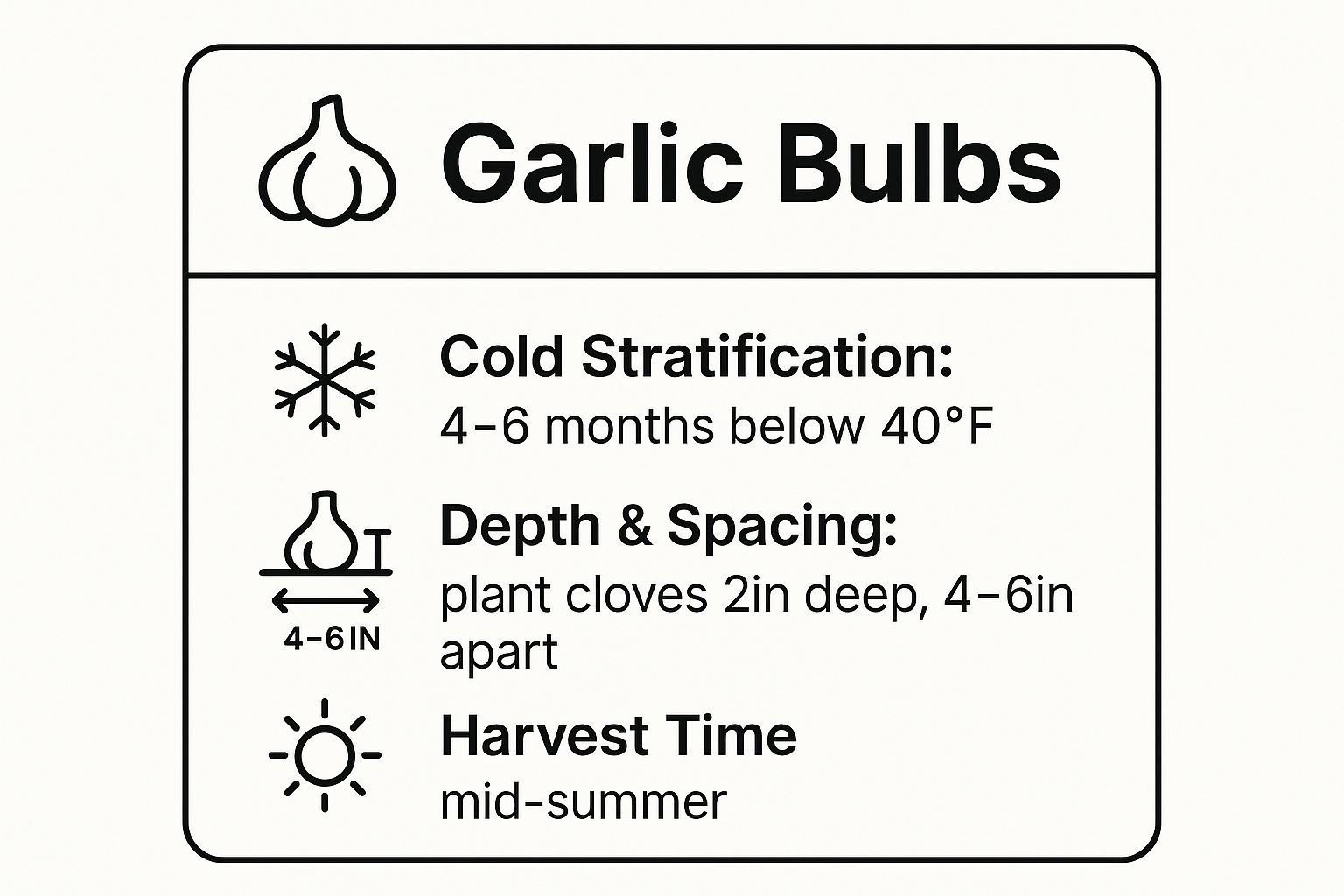
As the visualization highlights, the combination of deep planting, proper spacing, and a long cold period is the recipe for a successful mid-summer harvest.
2. Tulip Bulbs
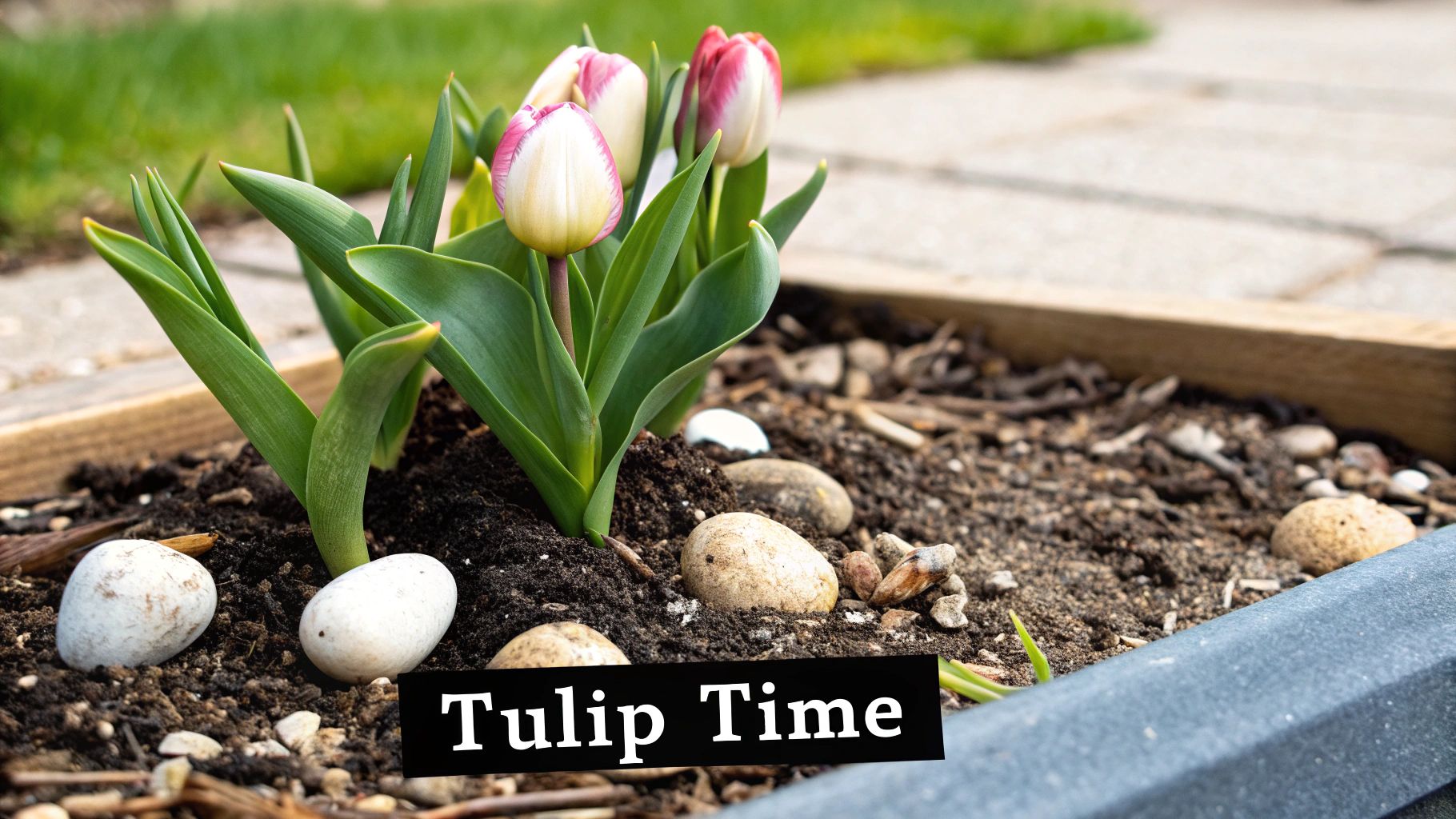
November is a critical window for planting one of the world's most beloved spring flowers: the tulip. As a classic choice for what to plant in November, these vibrant perennial bulbs require a significant cold period to initiate the biological process needed for blooming. Planting them in late autumn ensures they get the necessary 12-16 weeks of cold temperatures, setting the stage for a spectacular burst of color as soon as the weather warms.
Why Plant Tulips in Fall?
The main reason to plant tulips in the fall is their need for a prolonged chill. This cold stratification period mimics their native mountainous climate and is absolutely essential for triggering flower development. Planting before the ground freezes solid gives the bulbs just enough time to settle in without putting up vulnerable green growth that could be killed by winter frosts. Waiting until November also helps reduce the risk of fungal diseases that can be more active in warmer, wetter early fall soil.
Choosing and Planting Your Bulbs
Sourcing high-quality bulbs is the first step toward a stunning spring display, like those seen at the Canadian Tulip Festival. While many tulips are treated as annuals, certain types are more reliable for returning year after year.
Darwin Hybrids: Known for their large, classic-shaped blooms and strong stems, these are some of the most reliable perennial tulips.
Emperor Tulips: These are early bloomers with huge flowers and are also known for their ability to perennialize well in the garden.
For successful planting, dig a hole roughly three times the height of the bulb itself, which is typically 6-8 inches deep. Place the bulb with the pointed end facing up and cover it with soil. Adding bone meal or a specialized bulb fertilizer to the planting hole will provide the nutrients needed for robust growth next spring.
Pro Tip: Always plant tulips in a location with full sun and well-drained soil. Like garlic, tulips are susceptible to rot if left in standing water, so amending heavy clay soil with compost is highly recommended.
3. Daffodil Bulbs
November is a fantastic time to plant one of spring's most iconic and cheerful flowers: daffodils. These reliable perennial bulbs are a top choice for what to plant in November because, much like garlic, they require a significant cold period to trigger their internal clocks for spring blooming. Planting them in late autumn allows the bulbs to settle in and absorb the necessary chill over winter, ensuring a spectacular floral display when temperatures rise.
Why Plant Daffodils in Fall?
Planting daffodil bulbs 4 to 6 weeks before the ground freezes gives them the perfect window to establish roots without expending energy on top growth. This pre-winter root development anchors the bulb and prepares it for a vigorous spring emergence. The prolonged cold of winter is non-negotiable for most daffodil varieties; this vernalization process is the natural signal that stimulates stem and flower development. Skipping this step often results in weak growth or no flowers at all.
Choosing and Planting Your Bulbs
Always select firm, heavy bulbs free from soft spots or mold, which indicate potential rot. While classic yellow trumpets are famous, the world of daffodils is incredibly diverse, offering varieties for every garden style.
Classic Trumpets: Varieties like 'King Alfred' are beloved for their large, traditional yellow flowers and make a bold statement in garden beds.
Miniature Varieties: For containers, rock gardens, or border fronts, choose a dwarf type like 'Tête-à-Tête', which produces multiple charming blooms per stem.
Elegant Whites: 'Mount Hood' is a stunning choice that opens a creamy yellow and matures to a pure, elegant white, providing beautiful contrast.
Plant bulbs with the pointed end up, about 6 inches deep or roughly three times the height of the bulb itself. Space them 4-6 inches apart. Planting in large, informal clusters or "drifts" will create a more natural and impactful look than planting in rigid rows.
Pro Tip: Daffodils are toxic to most garden pests, including squirrels and deer. This makes them an excellent, low-worry choice for areas where other bulbs might get eaten.
4. Winter Rye Cover Crop
As the vegetable garden winds down, November presents a perfect opportunity to plant for soil health, not just for a harvest. Winter rye is an outstanding cover crop, making it an essential choice for what to plant in November. This hardy grass actively grows in cool temperatures, protecting your garden soil from winter erosion, suppressing weeds, and enriching it with valuable organic matter for the next season.
Why Plant a Cover Crop in Fall?
Planting winter rye after your main crops are harvested is a key sustainable agriculture practice. It acts as a living mulch, preventing valuable topsoil from being washed or blown away by harsh winter weather. Its dense root system aerates compacted soil and scavenges for leftover nutrients, holding them in place until spring. When tilled or cut down, the decaying plant matter releases these nutrients back into the soil, creating a fertile foundation for your spring vegetables.
Choosing and Planting Your Seeds
Winter rye is exceptionally cold-tolerant and can germinate even in soil temperatures as low as 34°F (1°C), making it ideal for late-fall planting. It's used by everyone from large-scale farmers preventing erosion after a corn harvest to home gardeners looking to revitalize a vacant vegetable bed.
Sowing Rate: Broadcast the seed evenly over the prepared soil. A common rate is about 2-3 pounds per 1,000 square feet, or 90-120 pounds per acre for larger areas.
Establishment: Gently rake the seeds into the top quarter-inch of soil to ensure good seed-to-soil contact and protect them from birds. Lightly water if the soil is dry.
Timing is Key: Sow the seeds at least 4 weeks before your ground freezes solid. This gives the rye enough time to establish a strong root system before going dormant for the winter.
Come spring, you can either till the rye directly into the soil or mow it down and leave the residue as a natural mulch.
Pro Tip: Terminate the winter rye in early spring before it sets seed. Allowing it to go to seed can make it weedy and harder to manage, and its woody stalks will take longer to decompose.
Proper soil management is a year-round task, and planting a cover crop is a critical step. If you're looking to improve your garden's foundation, you can learn more about preparing garden soil on thegroundedhomestead.com.
5. Broad Beans (Fava Beans)
In milder climates (typically USDA zones 7 and above), broad beans, also known as fava beans, are an excellent choice for what to plant in November. These incredibly hardy legumes can withstand light frosts and will grow slowly but steadily through the winter months. Planting them in autumn gives you a significant head start for an early spring harvest, often providing one of the first fresh crops of the new year.
Why Plant Broad Beans in Fall?
Sowing broad beans in November allows them to establish a robust root system before the coldest weather arrives. This tradition, long-practiced by Mediterranean farmers and British allotment gardeners who often plant on Guy Fawkes Day (November 5th), takes advantage of the cool, moist conditions of autumn. As they grow, these legumes also act as a fantastic cover crop, fixing valuable nitrogen in the soil and improving its structure for the crops that will follow.
Choosing and Planting Your Seeds
For an autumn sowing, it's crucial to select a variety bred for overwintering. The 'Aquadulce' variety is a classic and reliable choice specifically developed for its cold hardiness.
Soak Seeds: To improve germination rates, soak the large seeds in water overnight before you plan to plant them.
Planting Depth & Spacing: Sow the seeds about 2 inches deep and space them 6-8 inches apart. Planting in double rows is a common and efficient method.
Location: Choose a well-drained, sunny, and sheltered spot in your garden to protect the young plants from the worst of the winter winds.
Once the plants are established and begin to form pods in the spring, pinch out the growing tips. This encourages the plant to put its energy into producing more pods rather than leafy growth.
Pro Tip: Broad beans are fantastic companion plants. Their nitrogen-fixing ability benefits heavy feeders planted nearby in the following season. You can discover more about these synergistic relationships in this guide on vegetable companion planting.
6. Mâche (Corn Salad)
For gardeners seeking fresh, tender greens deep into the colder months, Mâche is a superb choice for what to plant in November. Also known as corn salad or lamb's lettuce, this exceptionally cold-hardy green not only survives but thrives in the cool, short days of late autumn and winter. Its delicate, nutty flavor is a gourmet treat, making it a valuable addition to the winter garden when other salad greens have long since succumbed to frost.
Why Plant Mâche in Fall?
Mâche is a true cool-season crop that bolts and turns bitter in the heat of summer. Planting in November allows the seeds to germinate and establish in the cool, moist soil they prefer. In moderate climates (USDA Zones 5 and warmer), a November sowing can provide continuous harvests throughout the winter. The plants form small, low-growing rosettes that are surprisingly resilient to frost and even light snow, often becoming sweeter after a cold snap.
Choosing and Planting Your Seeds
Look for any standard variety of Mâche, as most are well-suited for cold-season growing. Its popularity in European cuisine, particularly French, means it is a staple in many seed catalogs. It is a key crop for four-season harvesting, popularized by gardening experts like Eliot Coleman.
Sowing: Mâche performs best when its seeds are broadcast lightly over a prepared garden bed. Unlike lettuce, which needs precise spacing, Mâche grows happily in a dense mat.
Covering: Barely cover the seeds with a very thin layer of fine soil or compost, no more than 1/8 inch deep. The seeds require some light to germinate effectively.
Harvesting: You can harvest the entire rosette or, for a longer harvest period, simply snip the outer leaves, allowing the center to continue producing new growth.
To plant, simply scatter the seeds over loosened, rich soil. Keep the seedbed consistently moist until germination occurs, which can be slow in cold temperatures.
Pro Tip: In regions with severe winters (Zone 6 and colder), using a cold frame or a low tunnel with a row cover can protect the plants from extreme temperatures and wind, ensuring a consistent supply of fresh greens.
7. Crocus Bulbs
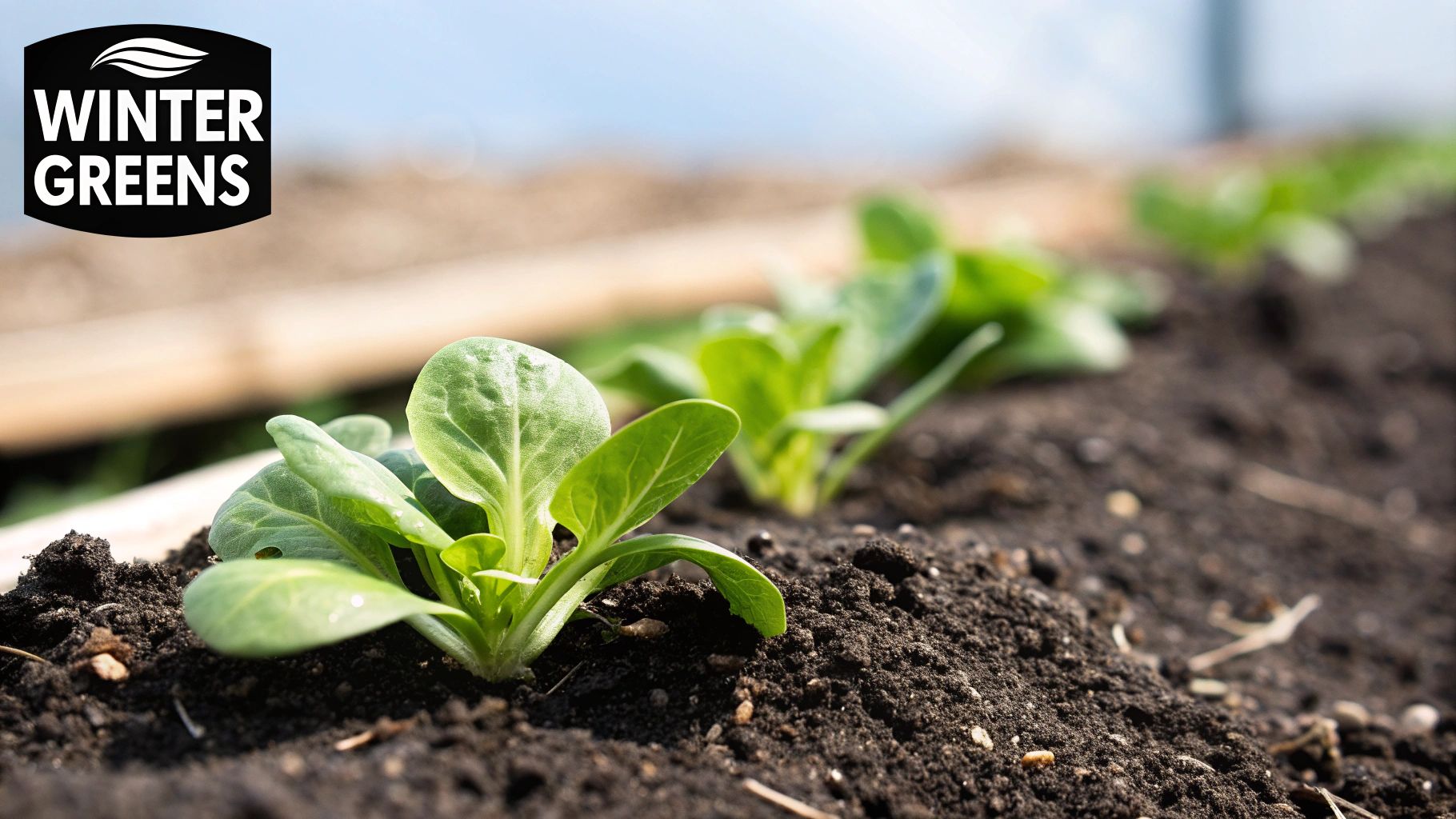
For a cheerful and early sign that spring has arrived, sometimes even popping through a late blanket of snow, planting crocus bulbs is an excellent November task. These small but vibrant flowers are a top choice for what to plant in November because they require a long chilling period to bloom. Getting them in the ground now ensures they are ready to burst into color at the first hint of spring warmth.
Why Plant Crocuses in Fall?
Like other spring-blooming bulbs, crocuses need to undergo a period of cold dormancy, ideally around 12 to 15 weeks, to trigger flower production. Planting in November positions them perfectly to receive this necessary chill over the winter. This timing allows the corms (which are similar to bulbs) to establish roots before the ground freezes solid, preparing them for their spectacular and very early spring show.
Choosing and Planting Your Corms
When selecting crocuses, you have several options that can extend your bloom time and create different visual effects. For the best display, plant them in large, sweeping groups or drifts rather than in single, straight lines.
Dutch Crocus: These are the large, familiar crocuses in shades of purple, yellow, white, and striped varieties. They are robust and reliable, making them a great starting point for beginners.
Species Crocus (C. tommasinianus): Known as "Tommy" crocuses, these are smaller but bloom earlier and are fantastic for naturalizing. They spread readily by seed and corm offsets, creating a carpet of color in lawns and under trees over the years.
Saffron Crocus (C. sativus): An interesting exception, this crocus is planted in late summer to bloom in the fall. If you're looking for the prized saffron spice, this is the one to plant, though its planting window is typically earlier than November.
To plant, place the corms about 3 inches deep and 3 inches apart, with the pointed end facing up. They are not fussy about soil but do require good drainage to prevent rot during wet winters.
Pro Tip: For a naturalized look in a lawn, gently toss a handful of corms onto the grass and plant them exactly where they land. Just be sure to wait to mow that area in the spring until their foliage has died back naturally.
8. Winter Onions
Beyond garlic, another group of alliums perfectly suited for autumn planting is winter onions. This category includes hardy, perennial types that, when planted in fall, establish robust root systems over the winter to provide early and continuous harvests of both greens and bulbs the following year. Adding these to your list of what to plant in November is a fantastic way to ensure a fresh onion supply with minimal fuss.
Why Plant Winter Onions in Fall?
Planting winter onions in autumn leverages the cool soil to encourage root development without promoting excessive top growth that could be damaged by frost. The plants then enter a dormant or semi-dormant state over winter. As soon as the soil warms in spring, they burst into vigorous growth, giving you a significant head start on the season and often producing much earlier than spring-planted varieties. This fall planting cycle mimics their natural growth pattern, leading to healthier and more productive plants.
Choosing and Planting Your Sets
You can find several fascinating and productive types of winter onions, many of which are popular in permaculture and heritage gardening circles.
Egyptian Walking Onions: These unique onions produce small bulbs, or "topsets," at the top of their stalks. The stalks eventually bend over, allowing the topsets to root and "walk" across the garden.
Potato Onions (Multiplier Onions): Plant a single bulb, and it will multiply underground, forming a cluster of new bulbs for harvest, much like shallots.
Japanese Bunching Onions: These are non-bulbing perennials grown for their delicious green scallions, which can be harvested continuously.
Plant the sets or small bulbs about 1-2 inches deep and 4-6 inches apart. Like garlic, they thrive in well-drained soil. A generous layer of mulch after planting will protect them from freeze-thaw cycles.
Pro Tip: To maintain plant vigor and prevent overcrowding, plan to divide your perennial onion clumps every 2 to 3 years. This simple task also gives you more sets to expand your patch or share with fellow gardeners.
9. Bare Root Fruit Trees
For gardeners in milder climates, November is an ideal time to plant a long-term investment in your landscape: bare root fruit trees. This method involves planting dormant trees that arrive without soil around their roots. Planting in the cool, moist conditions of late fall allows these trees to establish strong root systems over the winter, giving them a significant head start for vigorous growth come spring. This is a fantastic option for what to plant in November to build the foundation of a home orchard.
Why Plant Bare Root Trees in Fall?
Planting bare root trees in the dormant season reduces transplant shock significantly. Without leaves to support, the tree can focus all its energy on root development. This timing means the tree is well-anchored and ready to burst into growth as soon as the soil warms up. Furthermore, bare root trees are often more affordable and offer a wider selection of specialty varieties than their container-grown counterparts.
Choosing and Planting Your Trees
Sourcing from a reputable nursery is key to getting a healthy, disease-free tree. Many mail-order nurseries, like the historic Stark Bro's, specialize in shipping high-quality bare root stock directly to your door.
Pome Fruits: Classic apple varieties like 'Honeycrisp' and 'Gala' are excellent choices for home orchards in appropriate climate zones.
Stone Fruits: Peaches, plums, and cherries also transplant well as bare root specimens, promising sweet summer harvests in the years to come.
Specialty Varieties: Often, unique or heirloom varieties are only available through bare root suppliers, expanding your gardening possibilities.
Before planting, soak the tree's roots in a bucket of water for 2 to 4 hours, but no longer than six. Dig a hole that is twice as wide as the root system and deep enough so the tree can sit at the same depth it grew in the nursery.
Pro Tip: Locate the graft union, a noticeable swelling on the lower trunk. This must remain 2-3 inches above the final soil line to ensure the rootstock doesn't sprout and the scion (the fruiting variety) doesn't root.
This video from Stark Bro's Nurseries provides a clear visual guide on how to properly plant your new bare root tree.
After planting, water the tree thoroughly to settle the soil and apply a layer of mulch around the base to retain moisture and regulate soil temperature. If you're just getting started with fruit trees, explore these tips for beginning a new garden to set your project up for success.
November Planting Comparison of 9 Options

Turn November Planting into a Year-Round Harvest
As the crisp autumn air settles in and many gardeners hang up their tools, you now possess the knowledge to see November not as an ending, but as a crucial beginning. This month isn't about winding down; it's about strategically setting the stage for the abundance and beauty of the seasons to come. By understanding what to plant in November, you transform your garden from a three-season space into a year-round engine of productivity and delight.
The key takeaway from this guide is to embrace the dormant season as an active, opportunistic period. The choices you make now have a powerful ripple effect. Planting garlic and winter onions today means flavorful, homegrown alliums for your kitchen next summer. Dedicating a bed to a winter rye cover crop is a direct investment in the long-term health and fertility of your soil, promising more vigorous vegetables in the future. Similarly, burying tulip, daffodil, and crocus bulbs is an act of faith that pays off in a spectacular burst of color, heralding the arrival of spring when you need it most.
From Knowledge to Action: Your November Garden Plan
The true value of this information lies in its application. Don't let this list become just another article you've read. The path to a thriving garden is paved with small, consistent actions. Here are your next steps:
Assess Your Space and Climate: Review the planting zones and specific needs for each crop. Which of the plants we discussed, from broad beans to bare-root fruit trees, are best suited for your specific location and soil?
Choose Your "First Two": To avoid feeling overwhelmed, select just one or two items from this list to start with. Perhaps it's a small patch of garlic and a container of mâche. Success with a few plants will build the confidence you need to expand next year.
Acquire Your Supplies: Source your seeds, bulbs, or bare-root trees from a reputable nursery. Make sure you have the necessary soil amendments, like compost or bone meal, on hand before you plan to plant.
Get Planting: The most critical step is to get these crops into the ground before it freezes solid. Check your local forecast, pick a clear day, and enjoy the process.
Mastering November planting is a game-changer for any gardener, homesteader, or aspiring green thumb. It separates the passive gardener from the proactive one. It’s about working with the cycles of nature, not against them, to create a continuous harvest and a more resilient, beautiful landscape. Your future self, surrounded by spring blooms and a pantry stocked with homegrown goodness, will thank you for the work you put in today.
Ready to deepen your gardening knowledge and build a more self-sufficient life? Join the community at The Grounded Homestead, where we provide practical, season-by-season guidance just like this. Visit The Grounded Homestead to explore more resources and subscribe to our newsletter for tips that will help you grow with confidence all year long.

Facebook
Instagram
X
Youtube